
In single-family HOAs, homeowners are generally responsible for sewer lines located within their individual lot. The association typically maintains sewer mains, lift stations, and other shared infrastructure located in the common areas.
In condominium associations, the association generally maintains common plumbing and sewer systems located in walls, ceilings, crawl spaces, and other common elements. Individual owners are typically responsible for plumbing fixtures and components serving only their unit unless the declaration states otherwise.
Washington law—including the Washington Uniform Common Interest Ownership Act (RCW 64.90), the Washington Condominium Act (RCW 64.34), and the Homeowners’ Association Act (RCW 64.38)—requires associations to maintain common elements and common areas. However, your Declaration, CC&Rs, condominium map, and maintenance provisions always control the specific allocation of maintenance responsibilities.
Pacific Northwest Considerations
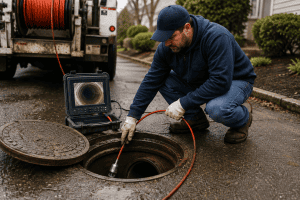
HOAs in Washington face unique challenges, including invasive tree roots, aging underground utilities, and heavy winter rainfall. Routine sewer inspections, preventive cleaning, and accurate utility mapping can help avoid costly repairs and unexpected sewer backups.
If your board is uncertain about sewer maintenance responsibilities, review your governing documents before authorizing repairs. Understanding who owns each component of the system can prevent disputes and protect your association’s reserve funds.
Pacific Crest Reserves helps Washington HOAs and condominium associations identify, evaluate, and plan for the long-term replacement of common infrastructure—including underground utilities—as part of a comprehensive reserve study.
